


RECENT BLOGS
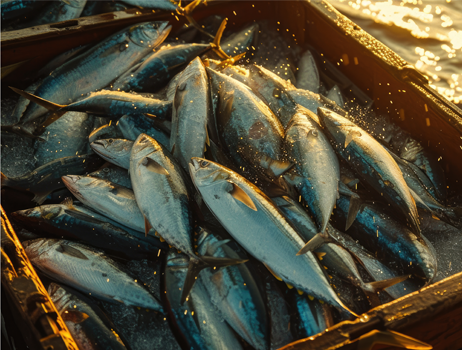
Seafood is a delicate and perishable food product that requires careful handling and storage to maintain its quality, freshness, and safety. Proper handling and storage practices are essential to prevent spoilage, maintain flavor, and ensure food safety. Here are 10 best practices to preserve the quality of seafood:
Temperature Control: Ensuring Optimal Conditions
Maintaining the correct temperature is paramount in preserving the quality of seafood. Seafood is highly perishable and susceptible to bacterial growth, especially in temperatures above 40 F (4 C). Therefore, it's essential to store seafood in refrigerators set at 32 F to 38 F (0 C to 3.3 C) or in freezers at 0 F (-18 C) or below.
Hygiene and Cleanliness: Preventing Contamination
Proper hygiene and cleanliness play a crucial role in seafood handling. It's imperative to wash hands, utensils, and surfaces thoroughly with hot, soapy water before and after handling seafood to prevent cross-contamination. Additionally, separate cutting boards should be used for raw seafood to avoid contaminating cooked foods.
Quick Chilling: Preserving Freshness
Immediately after catching seafood, it should be chilled promptly to maintain its freshness. Quick chilling slows down bacterial growth and enzymatic activity, preserving the seafood's quality. Ideally, seafood should be placed on a bed of ice in a shallow pan and stored in the refrigerator or cooler immediately.
Avoid Cross-Contamination: Separation is Key
Cross-contamination occurs when harmful bacteria from one food item are transferred to another. To prevent this, seafood should be stored separately from other foods, especially those that are ready-to-eat. Raw seafood should be kept on the bottom shelf of the refrigerator to prevent drips from contaminating other foods.
Proper Packaging: Sealing in Freshness
Proper packaging helps extend the shelf life of seafood by protecting it from exposure to air and moisture. Vacuum-sealed bags or airtight containers are ideal for storing seafood in the refrigerator or freezer. Additionally, wrapping seafood tightly in plastic wrap before refrigeration can help maintain its quality.
Use of Ice: Maintaining Cold Temperatures
Ice plays a crucial role in preserving seafood quality during transportation and storage. Surrounding seafood with ice or gel packs helps maintain cold temperatures, preventing bacterial growth and spoilage. When transporting seafood, it's essential to use insulated coolers to ensure that it remains chilled.
Storage in Refrigerator or Freezer: Extending Shelf Life
Proper storage is essential for extending the shelf life of seafood. In the refrigerator, seafood should be stored in the coldest part, typically the back of the bottom shelf. For longer-term storage, seafood can be frozen, but it's essential to package it properly to prevent freezer burn.
Regular Inspection: Monitoring for Spoilage
Regular inspection of seafood is vital for identifying signs of spoilage. Spoiled seafood may exhibit off-odors, slimy texture, or discoloration. If any of these signs are present, the seafood should be discarded immediately to prevent foodborne illness.
Labeling: Organizing and Identifying
Labeling seafood with the date of purchase or catch helps ensure proper rotation and prevents the consumption of expired seafood. Clear labeling also aids in organizing the refrigerator or freezer, making it easier to identify different types of seafood.
Rotation of Stock: FIFO and FEFO Methods
The FIFO (first in, first out) method should be employed when storing seafood to ensure that older products are used before newer ones. This practice helps minimize food waste and ensures that seafood is consumed at its peak freshness. This Practice is suitable for locally procured products.
The FEFO (First Expired, First Out) method is a crucial inventory management practice in the seafood industry. It ensures that the oldest products, those closest to their expiration date, are used or sold first. This practice is usually carried out for imported products
In conclusion, proper seafood handling and storage are essential for preserving quality and ensuring food safety. By following the 10 best practices outlined above, you can enjoy fresh, flavorful seafood while minimizing the risk of foodborne illness.
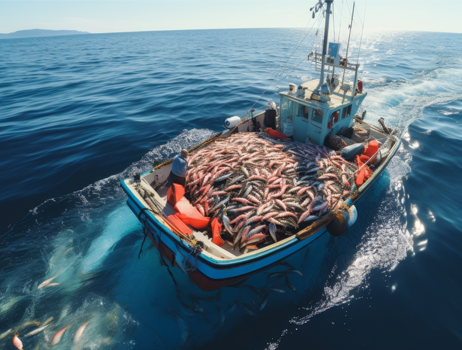
The oceans are a vital part of our planet, providing a source of food, livelihoods, and biodiversity. However, the health of our oceans is increasingly threatened by unsustainable fishing practices. In this article, we explore the challenges of overfishing, the importance of sustainable fishing practices, the impact of consumer choices, and the benefits of adopting sustainable approaches to fishing.
The Challenges of Overfishing
Overfishing is a serious problem that endangers marine ecosystems around the world. The constant pursuit of fish stocks beyond their natural capacity depletes populations, alters marine feeding networks, and has the potential to cause fisheries to collapse. Unsustainable fishing activities, such as illegal fishing, bycatch, and destructive fishing methods, compound the issue by putting enormous strain on ocean ecosystems and risking marine life's future.
The Importance of Sustainable Fishing Practices
Overfishing is a pressing global issue that threatens the delicate balance of marine life. When fish are harvested at a rate that exceeds their ability to reproduce and replenish their populations, it can lead to the depletion of entire species. This not only disrupts the natural food chain but also has far-reaching consequences for the overall health of the ocean.
Protects Marine Ecosystems: Sustainable fishing practices help protect the flora and fauna within marine environments, preserving the delicate balance of aquatic ecosystems. This ensures the long-term health and resilience of these ecosystems.
Ensures Food Security and Livelihoods: Sustainable fishing practices support the livelihoods of fishermen and coastal communities that rely on seafood as a source of food and income. It helps maintain healthy fish populations to meet the global demand for protein-rich seafood.
Prevents Overfishing and Stock Depletion: Sustainable fishing involves science-based management of fish stocks, setting catch limits, and implementing measures to prevent overfishing. This helps maintain fish populations at sustainable levels for the future.
Reduces Environmental Impact: Sustainable fishing practices minimize the impact on habitats and non-target species, such as reducing bycatch and avoiding destructive fishing methods. This helps conserve marine biodiversity and reduce the overall environmental footprint of fishing activities.
The Impact of Consumer Choices
Consumer choices play a crucial role in driving the demand for sustainably sourced seafood. By making informed decisions about the seafood products we purchase and consume, we can support fisheries that adhere to sustainable fishing practices. Choosing seafood that is certified by reputable organizations can help promote responsible fishing practices and encourage the industry to prioritize sustainability. Consumers have the power to influence the market and drive positive change towards more sustainable fishing practices.
The Benefits of Sustainable Fishing
Adopting sustainable fishing practices provides numerous benefits to both the environment and the fishing business. Sustainable fisheries help to maintain healthy fish populations, preserve marine biodiversity, and safeguard key ecosystems. Sustainable fishing practices benefit fishermen and coastal communities by guaranteeing the long-term survival of fish stocks, thereby contributing to economic stability and food security. Sustainable fishing also helps to conserve marine species, build ecosystem resilience, and improve the general health of marine ecosystems.
In conclusion, the importance of sustainable fishing practices cannot be overstated in the context of preserving the health and vitality of our oceans. Addressing the challenges of overfishing through sustainable practices is essential for ensuring the sustainability of fish populations and the well-being of marine ecosystems.
By making conscious choices as consumers and supporting sustainable fisheries, we can contribute to the protection of marine biodiversity, the conservation of fish stocks, and the sustainability of coastal communities. Together, we can work towards a more sustainable future for our oceans, where responsible fishing practices and environmental stewardship are prioritized for the benefit of all.
The Future of Seafood: Why Balance Matters More Than Ever
May 08, 2026
The Deep Seafood Company
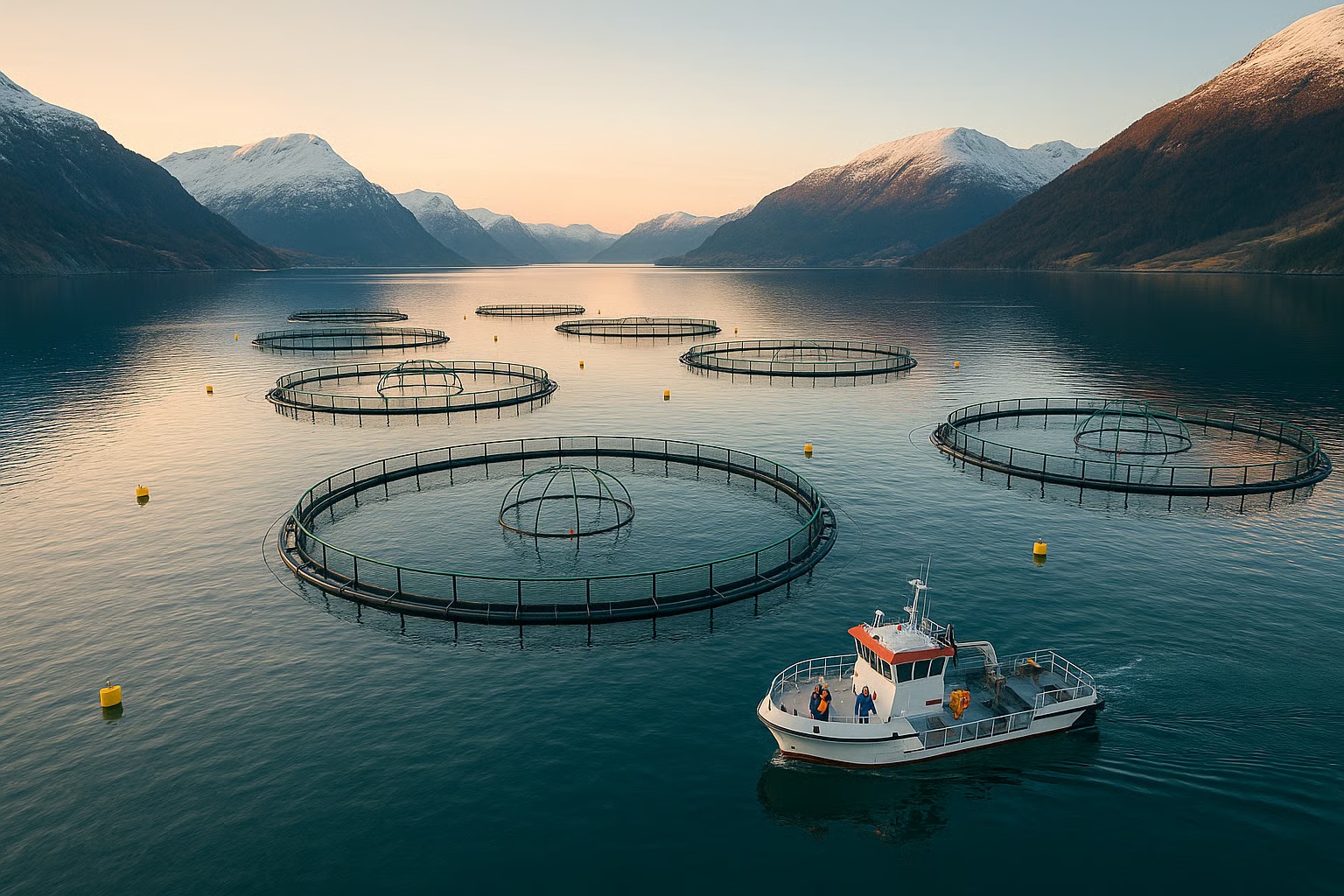
A Turning Point in Global Seafood Production
For the first time in history, aquaculture has surpassed wild catch as the primary source of seafood. This milestone signals a major shift in how the world produces and consumes seafood.
Today, aquaculture generates over 185 million tonnes of seafood annually, alongside an additional 37 million tonnes of algae. Combined, this represents a rapidly expanding global industry valued at approximately $472 billion.
While this growth reflects innovation and rising demand, it also introduces new challenges that must be addressed responsibly.
The Pressure on Wild Fisheries
Wild fisheries are under increasing strain. Nearly 90% of global fish stocks are either fully exploited or overfished, leaving little room for error in how natural resources are managed.
This reality highlights a critical issue: Sustainable sourcing is no longer optional; it is essential. Without responsible practices, the long-term viability of marine ecosystems and the communities that depend on them remains at risk.
Rising Demand, Growing Responsibility
Seafood demand continues to rise at a pace faster than global population growth. As more people turn to seafood for nutrition and protein, both aquaculture systems and wild fisheries face mounting pressure to deliver. This creates a dual challenge:
• Scaling production to meet demand
• Ensuring environmental and ethical responsibility
Meeting one without the other is no longer sufficient.
The Need for a Balanced Approach
The future of seafood depends on achieving the right balance between three critical pillars:
1. Responsible Aquaculture
Sustainable fish farming must minimize environmental impact, ensure animal welfare, and maintain ecosystem health.
2. Well-Managed Wild Fisheries
Science-based regulations, catch limits, and monitoring systems are essential to prevent overfishing and allow fish populations to recover.
3. Transparency Across the Supply Chain
Consumers and businesses alike need clear, traceable information about where seafood comes from and how it is produced.
Together, these elements form the foundation of a resilient and sustainable seafood system.